Showing posts with label reducing stress. Show all posts
Monday, January 5, 2015 0 comments

Aromatherapy to Reduce Stress

                Image Source

I have focused a lot of time and energy lately researching stress and the negative impact it has on the body. I am looking for ways to improve my general health and well being and lose some weight. My research shows the two are related. Stress hormones like cortisol wreak havoc on the waistline and mine is proof of the negative impact sustained stress can have. I decided this year would be the year that I improve my health and get back into shape once and for all. As I research the fastest ways to get that process started, I have identified stress as a primary cause for many of my chronic health problems and my ever-increasing waistline.

Once I identified stress as one of the primary things I need to control in my life, I decided to look at the various ways I can reduce stress and minimize the effects it has on my body. I already identified dietary changes that I need to incorporate into my life, as poor diets full of processed food only further cause damage to the body and decrease its ability to deal with stress. I also identified supplements and herbs that can be helpful in reducing the negative impacts of my chaotic single-parent lifestyle. 

One thing I have always been interested in, aromatherapy, has been identified as another way to potentially reduce stress and minimize its destruction in my body.

Aromatherapy is the use of essential oils for promotion of physical and psychological well being. It has been practiced in other cultures for thousands of years and its use is incorporated into the holistic practices of modern medicine. Taking slow, steady, focused breaths and inhaling soothing essential oils can be a great way to allow the olfactory nerve to send calmness and peace to your mind.

Because essential oils do not depress brain function, they could be better for you than sedatives. 

It is thought that when inhaled, essential oils affect the limbic system of the brain and can regulate emotions. They can be inhaled directly, diffused into a room or using a diffuser, candles and air fresheners.

Essential oils can also be applied topically using massage oils, bath oils and bath salts.

Everyone responds to essential oils differently so it is best to try different oils and see which works best for you. The synergistic effect of combining some oils has also been found to be beneficial.

Following are a number of oils you may wish to consider using for stress relief. This is far from an exhaustive list, but meant to provide a starting point in using aromatherapy and essential oils to find balance in your body and mind.

Lavender - one of the most popular essential oils and one of the best all-around essential oils, Lavender has powerful healing powers. Lavender gives many people a sense of calm, relaxation and clarity and is soothing to the nerves. It can help induce sleep and soothe muscle cramps. This ultimate adaptogen oil  has helped patients relax while making them alert enough to perform math computations with accuracy and speed.

Bergamot or Orange -This familiar scent, used to flavor Earl Gray tea has an uplifting aroma and can be very healing. Both oils have been used for emotionally based issues like anxiety, stress and depression. Researchers from Mei University in Japan found that patients who had orange fragrance administered to them were able to markedly reduce the amount of anti-depressants they took. The orange oil also restored their endocrine and immune systems to normal levels.

Neroli or Orange Blossom - Calming and relaxing and promotes confidence, hopefulness and peace.

Tangerine- This oil has powerful abilities to calm the nerves and body and restore vigor and energy as well as resolve insomnia.

Peppermint - Uplifting and refreshing, this essential oil is both calming and stimulating. 

Vetiver- The musky aroma of vetiver is often used for stress and insomnia and can help soothe the mind of racing thoughts. 

Ylang Ylang - This oil is relaxing and calming and promotes heart health. It eases tension and helps to balance the hormones. Its therapeutic effects can help you sleep well. It’s especially useful for dealing with anger, stress and by inhaling the aroma one can stimulate circulation and lower blood pressure

Geranium - Known for boosting the immune system and balancing hormones, it calms the nerves and uplifts the mind while balancing the body's systems. It is also thought to relieve tension and stimulate creativity.

Frankincense - This oil has a rich historical background in the uses for soothing and calming the mind and body. It is a good option for relieving tension and exhaustion and is calming and soothing to the mind. Rich in molecules that can permeate the blood-brain barrier, this oil helps carry much needed oxygen to the brain and stimulates limbic function, which includes hypothalamus, the pineal and the pituitary glands.

Spearmint -This familiar scent is good for mental health and is soothing to the mind.

Rose - Very good for handling hormonal imbalances and be calming to the nerves. It stimulates the mind and promotes a sense of wellbeing.

Sweet Marjoram - Known in folklore as the herb of happiness and joy of the mountains, this muscle relaxing, anti-inflammatory scent has sleep-promoting properties. Nourishing and powerful, this oil is effective against stress.

Cedarwood - Also known for its calming properties has been found beneficial in treating ADHD. Stimulating the limbic system, and the pineal gland, this essential oil helps increase the production and release of melatonin.

Chamomile - Both German and Roman chamomile are recognized for their ability to stabilize the nerves and emotions. The German variety is considered to clear the mind and eliminate anger while the Roman variety is recognized for its ability to help with sleep and anxiety.

Jasmine - This stimulating, uplifting aroma can produce feelings of calm and relaxation as well as relieve stress headaches and insomnia.

Sandalwood - Used as an aid in meditation and yoga, this is often regarded as the sacred oil. It targets the limbic system and balances the emotions and the immune system.

Valerian - This oil is often used to enhance sleep, but also can be used as a stimulant. A German study showed improved sleep and fewer side effects in patients when compared to those taking sedatives. 

Vanilla - This homey-smelling oil emulates the scent of mother's milk and can stimulate mental clarity and induce relaxation and tranquillity.

Once again, this is not an exhaustive list of beneficial oils, but is meant to provide a starting point for using essential oils to create a more calm in your life. 

Have you used essential oils for stress? What oils have you found to be most beneficial?

Read more about stress and the negative impact it has on your body and other ways to improve your reaction to stress and lessen its impact on your health:

Sunday, January 4, 2015 0 comments

Decompressing with Ancient Medicine

    Photo Credit


In recent posts, I have been looking at the body's stress response and the role excess cortisol production plays in poor health and bigger waistlines. Sadly, as technology improves, our health is on the decline. Our high-paced, eternally connected lives put our bodies into a state of constant stress and our fast food, processed diets perpetuate this crisis. Diets high in chemicals and preservatives and low in nutrients do nothing to counteract the stress response our fast paced lives put us in. This stress response, includes excess production of cortisol, which wreaks havoc on our bodies, minds and souls.
As we seek diets that deliver power, energy and health, scientists and nutritionists alike are rediscovering ancient medicines and nutritional beliefs. The use of traditional medicine like Ayurveda and Traditional Chinese Medicine (TCM) is often considered part of the holistic approach to modern medicine and nutrition.

While researching different ways to reduce stress in my life and eliminate or reduce the negative impact of increased cortisol production in the body, I could not ignore looking to these ancient practices as a way of finding some answers.

The concept of adaptogens is thousands of years old and an important feature of these ancient practices. An adaptogen has the ability to increase resistance against a multitude of stresses, including physical, chemical or biological agents. Adaptogens also help the body to maintain youthful function, regardless of the stressor, and the ability to normalize bodily functions beyond what is required to gain resistance to stress naturally. They exert a normalizing effect, allowing the increase of healthy functions that are impaired by stress and decrease unhealthy responses that are triggered by stress. Simply put, they enhance the body's natural ability to maintain homeostasis and fight age-inducing stress. By this definition, how can we afford to ignore looking at ancient medicine to assist in the battle against stress and its negative impact on the body?

Naturopaths have long prescribed Phytotherapy (the use of plants in healing) with adaptogens, for their ability to balance, restore and protect the body. They help the body respond to any influence or stressor and normalize physiological function. Naturopath Marcelle Pick, of Women to Women reports that adaptogenic herbs can recharge your adrenal glands and help your body respond to stress. Several adaptogens, which continually showed up in my research include Ashwaganda, Astragalus, ginseng, licorice root, holy basil some mushrooms and Rhodiola.

Unlike any other compound, adaptogens condition your body to respond favorably to stress at the physiological level through a unique mechanism. Much like modern immunizations adaptogens deliver minute shocks of mild stress to the body and condition your physiology to respond more favorably to major stresses. Adaptogenic herbs do not alter mood, but rather, they help the body function optimally during times of stress.
.
Ashwagandha- Ashwagandha, which literally means “the earthy strength of a stallion." Also known as Indian Ginseng, this antioxidant and adaptogen, from Ayurvedic or Indian Medicine, reportedly has some powerful stress relieving properties which include reducing cortisol production. It has been shown to improve energy, enhance performance and improve recovery for the exercise-induced stress. One study shows Ashwagandha root produced a 28% reduction in cortisol. Herbalists have long prescribed Ashwagandha for high blood pressure, insomnia, chronic fatigue and anxiety-induced impotence. It enhances endocrine function, especially the adrenals and thyroid by boosting the conversion of T4 (the thyroid's storage hormone) to T3 (the active thyroid hormone). Ayurvedic healers have long prescribed the herb to treat exhaustion brought on by both physical and mental strain. Of all the Ayurvedic herbs used in India, Ashwagandha is among the most prized.

Astralgus - Used in Chinese medicine for centuries, this adaptogenic and tonic root boosts immunity, energy and immunity by increasing the amount of anti-stress compounds our bodies use to repair and prevent stress-related damage. It may also reduce the ability of stress hormones, like cortisol to bind receptors.

Ginseng- For thousands of years, Asian Ginseng has been one of the most popular and valued medicinal plants in the world. This well-known adaptogen is also considered the most potent. Western herbalists say that it restores and strengthens the body’s immune response, promotes longevity, and enhances the growth of normal cells. Research indicates that it promotes a sense of well-being and may protect against some kinds of cancer. Research has also validated its ability to improve mental performance and help the body deal with stress. It has also reportedly lowered blood pressure, improve depression and lower blood sugar. It is believed to affect the body by influencing cell metabolism and has been studied for its ability to help the body withstand stress.

American Ginseng is Asian Ginseng's less-stimulating cousin. Like other adaptogens, it corrects imbalances in the endocrine system, including the adrenal glands, where cortisol is produced. Because it also helps improve the pancreatic function, it is also beneficial for people with metabolic syndrome.

Korean Ginseng is very useful for adrenal exhaustion and has a synergistic effect when combined with licorice root.

Licorice root can increase energy and endurance, boost the immune system and protect the thymus from being damaged by cortisol but its use requires professional supervision because of how it may affect blood pressure.

Holy Basil - Also known as Tulsi, has been used in India as the "elixir of anti-aging," for centuries. Preliminary studies suggest it can help the body fight stress, boost the immune system and regulate blood sugar, blood pressure and hormone levels. Studies have also shown this mild adaptogen has the ability to enhance health due to its antioxidant and anti-inflammatory properties. It may also strengthen memory and concentration, improve digestion and reinforce the body's ability to control blood-sugar. Due to its ability to support healthy metabolism, it is considered one of the most useful adaptogens.

Cordycep Mushrooms- Reishi, Shiitake, and Maitake mushrooms are funguses with antioxidant properties. They may not be adaptogens in the classic sense, but each has adaptogenic, antitumor, and immune-enhancing properties.

Reishi (Ganoderma) Mushrooms- These antioxidant-medicinal mushrooms have been shown to enhance immunity, relax muscles, improve sleep, ease chronic pain and reduce cholesterol.

Rhodiola - This herb is another form of ginseng, often used for its ability to lower cortisol. Studies show it can balance cortisol levels, reduce fatigue and stress as well as improve cognition and feelings of well-being. Rhodiola has also demonstrated a remarkable ability to support metabolism, improve brain function, heart health, depression and reduce stress. Rhodiola defends the body overall, and protects general health and well-being. Its anti-stress and fatigue-fighting properties make it one of the most popular botanicals in all of Siberia.

Other herbs to consider trying:

Amalaki-One of the most used herbs in the world, Amalaki is thought to support the body during all three stages of stress that supports emotional and cognitive wellness. Amalaki is believed to reduce stressful agitation reactions during the initial phases of the stress response, support the physiological resistance of the second phase of stress and finally prevent or delay fatigue and exhaustion found during the final stage of the stress response, protecting against the long-term impact of sustained stress and systemic decay.

Brahmi- This age-defying Indian adaptogen assists in the regeneration of nerve tissue supporting mental stress and improving mental acuity.

Dong Quai - Said to be the queen of balancing herbs for female hormones and improved prostate health, this herb creates energy but is still calming to the body.

Gingko Biloba- Popular for its excellent cognitive effects, such as focus and concentratiion, this herb also reduces cortisol levels and provides improved glucose biosyntehises.

Schisandra: Schisandra is a potent general tonic and berry, decreasing fatigue, enhancing physical performance, and promoting endurance and reduce the levels of stress hormones in the body.

Gynostemma- Popular the world over for its ability to control weight, this powerful antioxidant also normalizes blood sugar levels, remove harmful blood fat and increases metabolic function. It relieves stress, relaxes the nervous system. It is also used for depression, stress and anxiety. In China, it is used to reduce fatigue and restore mental well-being.

To qualify as an adaptogen, an herb must be non-toxic and safe. It must have broad uses for health and reduce both mental and physical stress. They greatly improve the body's ability to handle stress and reduce the harmful effects that sustained stress can have on the body.In many parts of the world, they are used extensively for their ability to increase strength, energy, stamina and endurance as well as improving mental clarity during times of stress and appear to normalize the production of stress hormones.

With todays modern, stressful, ever-connected society, continual stress and poor diets are wreaking havoc on our bodies. With so many years of utilization to minimize these negative effects in other cultures, Modern western culture could possibly benefit from looking to these ancient remedies for solutions. I for one intend to look at these as possible remedies as I try to hack my way to better health and weight loss.

I am not a physician or practitioner and provide these suggestions from my research towards improving my own health and well being. Please consult your practitioner before using any of the medicines, supplements or herbs suggested in this blog.

Read more about stress and the negative impact it has on your body and other ways to improve your reaction to stress and lessen its impact on your health:

Stress is killing me
Conquering Cortisol
How to Eat the stress away
Supplementing your Stress Response


Friday, January 2, 2015 0 comments

Eat the Stress Away


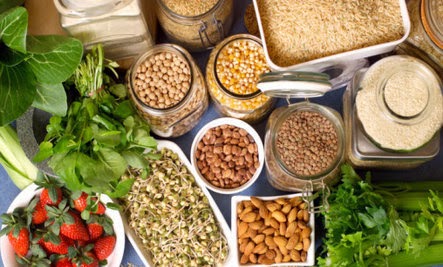
Yesterday, I blogged about supplements that could help with the body's relaxation response. If you have been following along, I learned how much my lifestyle is contributing to increased cortisol production. All that excess cortisol is starting to impact my health. So, I started researching how to lower my cortisol production and improve my relaxation response. While supplementing can help improve our cortisol balance, it is more important to get these critical nutrients through natural food sources. So, Today I am looking at how to improve my Stress response, decrease cortisol and increase production of those feel-good neurotransmitters through dietary changes.

As I said yestereday, our American diets, high in processed sugar, bad fad and sugar is contributing to poor nutrition and depleting our bodies of vital nutrients we need to deal with stress, sleep well and ward of illnesses. Furthermore, since we are all plugged in all the time, we are not relaxing ourselves enough and our bodies are constantly in stress mode, this is taking a toll on our health, longevity and our waistlines. It becomes a viscous little cycle, our body produces more and more cortisol, which is a hormone that regulates the body's flight or fight response, by lessening removing the focus from processes that are not vital to the active need to fight or flee. These processes become depleted of essential nutrients as cortisol directs all the action elsewhere, to ensure survival. Then, we tend to eat horrible, highly processed foods that are more stressful to the body and do not replenish the supply of nutrients caused by the original stressful event. When the vital nutrients are missing, our body thinks we are starving and begins to panic, this increases the adrenal response, producing yet more cortisol and so on. We start having trouble sleeping, eating more foods that are not nutritionally dense and the cycle continues. Below, I have listed some of the important nutrients to help get the cortisol response under control and reduce this ugly little cycle and get back on our way to getting on track.


Vitamin C
This antioxidant has been shown to help reduce cortisol levels, aid in collagen synthesis, enhance recovery and improve your immune system. Ironicaly, we have all been fooled into thinking that citrus fruits are our best bet for vitamin C, however, there are actually a few other foods that are richer in vitamin C than citrus fruits and have less sugar.

Papaya has the highest concentration of Vitamin C
Bell Peppers, Broccoli &  Brussels Sprouts are next in line and have far less sugar than papaya and citrus fruits. These three are my picks for increasing vitamin C through diet.
Next up, Strawberries, followed by Pineapple, Oranges, Kiwi, canteloupe and cauliflower.

Of course, there are other foods that can improve our Vitamin C intake, but these are the most healthy foods, rich in Vitamin C.

B-Complex 
These vitamins promote healthy cortisol levels by supporting the metabolism. B vitamins maintain the adrenal glands and get used up during the “fight or flight” response and when converting food into energy for the body. Evidence also suggests that B-vitamins are important in the balance and metabolism of Neuro-toxic chemicals that have been linked to anxiety and depression related conditions. Finally, they are thought to assist in GABA and serotonin production. (which we need for sleep and to feel good)

Think Protein when you think of getting B vitamins in your diet as the best sources of Vitamin B are Tune, Turkey, Beef, Chicken and Salmon. Followed by Sweet potatoes, potatoes, sunflower seeds, spinach and finally bananas.

Remember, not all meat is equal. It truly does depend what the animal was fed and how they were processed. Sad, but true, you get what you pay for and grass fed Beef and Dairy products have been shown to have higher levels of vitamins than other beef that has been fed grains.

Zinc
This mineral is important to many of the body's systems. While research on zinc supplementation provides contradictory evidence on its benefits, some studies have shown zinc is necessary in the body's inflammation response, immune system and in the treatment of Alzheimer disease, diabetes and upper respiratory infections. As I stated yesterday, this mineral should be considered for supplementation because no one food provides the entire daily recommended allowance of this important mineral and the body does not store zinc, so daily intake is required. However some of the food sources high in Zinc are:

Similar to B- Complex, zinc can be found in several protein sources such as Beef, Lamb, Oysters, Shrimp Turkey and even Quinoa.

It is also readily available in several Seeds and Beans like Sesame, Pumpkin, Garbonzo and Lentils.

Spinach, Asparagus and Mushrooms are your best bets for vegie intake.

Cashews are the nut to grab, when trying to increase your zinc intake.

Vitamin D
This sunshine vitamin is made from cholesterol, just like cortisol, so when your body is constantly in a stressed mode, it will produce cortisol over vitamin D. This is because when your fight or flight system is activated, the body will move its resources to activate the mechanisms that are required for survival.

Salmon, Sardines, Tune, Eggs, Mushrooms and Milk are your healthies options for inproving your Vitamin D intake.

Magnesium
This mineral is often depleted by stress. Magnesium is an integral part of the nervous system and electrolyte balance. Ironically, as stress depletes magnesium in our body, poor magesium levels inhibit our ability to deal with chronic stress. This mineral is also thought to be part of the sleep process and may relieve both mental anxiety and muscle soreness. (Think Epsom Salts) Experts think the average American falls woefully short on this important mineral. Averaging 66% of their daily recommended intake.

The best food sources for magnesium include Pumpkin Seeds, spinach, swiss chard, soybeans, sesame seeds, Quinoa, Black Beans, Cahews, Sunflower Seeds and Navy beans.

Vitamin A
Often used for healthy skin, this vitamin may also reduce cortisol levels. In order to increase your consumption of both retinoids and carotenoids, the two important parts of vitamin A, you should eat these:

Sweet Potatoes, Carrots, Spinach, Kale, Greens and Winter Squash.

Folic Acid
Controls the actions and functions of the adrenal glands, which is where cortisol production originates. Lots of beans fit the bill for increasing your folate consumption. Think Lentils, Pinto, Garbanzo,Navy, Black and Kidney Beans. Vegies rich in folic acid include Asparagus, Spinach, Turnip Greens and Broccoli.

Omega 3 Fatty Acid
These healthy fats have been found to reduce excess production of the inflammatory and stress response, increase the production of serotonin and have a calming effect on the central nervous system. Of course, we often think of fish when we think of Omega 3s, but flaxseeds, walnuts,soybeans, brussels sprouts and cauliflower are actually good sources as well, along with beef and tofu. To get the most out of your fish, try sardines, salmon and shrimp.

K2
This vitamin appears to be important in the body's synthesis of Omega 3s, supplementation of this vitamin should be considered when supplementing with Omega 3s. Yep, More Greens will be required to get your RDA of this helper vitamin.

Kale, Spinach, Greens, Swiss Chard, Parsley, Broccoli and Brussels Sprouts.

L-Theanine
This amino acid has the ability to cross the blood-brain barrier and induce relaxation and reduce mental and physical stress. It is commonly found in green tea. It has calming effects, and is used in Japan for these purposes.  Theanine also seems to increase levels of GABA receptors in the brain, another item that may have significant calming effects. You are going to have to drink your way to rich theanine intake, Thin Green Tea, both Chinese and Japanese green tea varieties will fit the bill, however the Japanese varieties tend to be much more expensive. Also, the bay bolete mushroom, also know as Boletus badius, is another naturally occurring source of theanine. According to mushroom expert Roger Phillips, these mushrooms grow in wooded regions of Europe and North America. They are most abundant in the fall, and are very high quality mushrooms for cooking.

Glutamine
This is the most abundant free amino acid in muscle tissue. Another ugly little cycle, too much cortisol is also associated with low levels of glutamine, which seems to counteract the catabolic impact of cortisol. It has also been shown to provide a source of fuel for the small intestine and may enhance the anti-inflammatory response and boost immune function. Finally, it is suspected of assisting in muscle protein turnover and of enhancing glycogen synthesis. Glutamine is a vital nutrient for weight-training athletes. Take 5 grams 3 times daily, including before and after working out.

Just as this amino acid is found in our muscle tissues, it is also produced in animal tissue. So, to increase your intake of these essential acids, think protein again:Meat, Fish and Seafood are the best sources. Lean meats seem to be richer in the amino acid, but this changes when you consider the source of your beef, as I said not all meat is equal.

Well, there you have it, you will notice that proccessed food is NOT on this list. I know, I know, I love the taste and convience of processed food too, but this year is the year of health for me. How about you?


It is important to note that I am not a health care provider and you should consult your Doctor or practitioner before starting any new supplements to ensure they do not interfere with any or your current prescribed medications.


Read more about stress and the negative impact it has on your body and other ways to improve your reaction to stress and lessen its impact on your health:
Stress is killing me
Conquering Cortisol
Supplementing your Stress Response

Decompressing Ancient Medicine
Thursday, January 1, 2015 0 comments

Supplementing your Relaxation Response

While researching about the body's stress response, the impact sustained cortisol release has on the body and what I can do about it, I came across several nutrients that are important. I also read much about how the American diet is so poor in many of these nutrients because we eat so many processed foods and forgotten the difference clean-eating can have on the body.

I cannot lie, I love food and I have been a mostly processed food connoisseur for many years. But, 2015 is the year I am getting my act together and I am ready to start eating better in order to nourish my body and my mind.

Several of the nutrients our body uses to deal with stress are listed below.

Zinc

This mineral is important to many of the body's systems. There are a limited number of high quality whole food sources that provide the daily recommended amount of 11mcg of zinc daily. While it is not impossible to get your daily recommended intake of zinc, it is not impossible. However, I think this is one of the nutrients that may be worth supplementation, to ensure you are getting enough for your body to function properly. Furthermore, zinc is not stored in the body, therefore, dietary intake is required. While research on zinc supplementation provides contradictory evidence on its benefits, some studies have shown zinc is necessary in the body's inflammation response, immune system and in the treatment of Alzheimer disease, diabetes and upper respiratory infections.

Vitamin C
This antioxidant has been shown to help reduce cortisol levels after exercise. One study showed that supplementing 800 mg of Vitamin C prior to high intensity interval training helped reduce cortisol levels after the workout.Additional studies showed vitamin C supplementation helped to clear high levels of cortisol quicker than in placebo groups. There is also support that Vitamin C reduces cortisol by diminishing oxidative indicators when it is elevated.Vitamin C supplementation has also been shown to improve the cortisol to testosterone ratio, leading to increased muscle and connective-tissue hypertrophy and enhanced recovery from training. Since Vitamin C also decreases your chances of suffering from a cold or flu infection by 30% (14) and may aid in collagen synthesis, it would be wise to take some extra vitamin C when involved in an intense weight-training program.

Vitamin A
Often used for healthy skin, this vitamin may also reduce cortisol levels.

Folic Acid
Controls the actions and functions of the adrenal glands, which is where cortisol production originates.

Magnesium
Has excellent anti-inflammatory properties. Many people are deficient in magnesium due to declining sustainable farming practices and soil content. Magnesium - Numerous studies have found that the frequent release of adrenaline and cortisol involved in an unresolved stress response is strongly correlated with decreased magnesium.What’s worse? It all works in a vicious cycle: because magnesium is an integral part of nerve conduction and electrolyte balance, low levels can confound sensations of anxiety, sleep disturbance and depression. The body’s hormonal stress response causes an outpouring of magnesium from cells into the blood. The higher the stress level, the greater the magnesium loss. The lower your magnesium level is, initially, the more reactive you will be to stress
 (The higher your level of the hormones adrenaline and cortisol in stressful situations), which causes greater loss of magnesium from cells. This mineral has also been found to help with sleep and anxiety and reduce muscle tension (think Epsom salts) 400 to 800 mg daily may help you in relieving anxiety and stress symptoms.

Omega 3 Fatty Acid
Found primarily in fish and fish oil, these healthy fats have been found to reduce excess production of the inflammatory and stress response, increase the production of serotonin and have a calming effect on the central nervous system.

Fish Oil reduces the production of arachidonic Acid (AA) which stops the excess production of the inflammatory and stress response. It also increases the production of serotonin, a feel-good neurotransmitter which allows you to adapt to stress more effectively. French studies have shown Fish Oil's ability to lower cortisol levels that have been increased by high mental stress. I don't know about you, but for me, most of my stress is mental, I analyze data all day and when I get home, I feel like I have just completed 8 hours of SAT testing, my brain is wiped. Supplementing just 2,000 mg per day can prevent the excess cortisol production and reverse the bad effects associated with adrenal fatigue.

K2
This vitamin appears to be important in the body's synthesis of Omega 3s, supplementation of this vitamin should be considered when supplementing with Omega 3s.

L-Theanine
This amino acid has the ability to cross the blood-brain barrier and induce relaxation and reduce mental and physical stress. It is commonly found in green tea.

B5 (Pantethine)
According to research, B vitamins, particularly Vitamin B5 (Pantethine), work to reduce excess production of cortisol. This is another ugly little cycle as excess cortisol depletes B vitamins. Highly stressed individuals tend to be deficient in these vitamins which have been shown to directly impact production of serotonin and dopamine production, which are important neurotransmitters in the body's feel good and relaxation responses.. Evidence suggests that B-vitamins are important in the balance and metabolism of Neuro-toxic chemicals that have been linked to anxiety and depression related conditions. B vitamins maintain the adrenal glands and get used up during the “fight or flight” response and when converting food into energy for the body.

B6
Necessary to make GABA and Serotonin

Phosphatidyl Serine
PS is a cortisol blocker that drives nutrients into and remove toxins from your cells. It may be useful in preventing short-term memory loss, age-related dementia and Alzheimer’s disease. One of the best known and most effective ways to lower excess cortisol levels is with the nutrient Phosphatidylserine (PS). Phosphatidylserine is believed to facilitate the repair of the cortisol receptors in the hypothalamus. It is believed that the cortisol receptors get damaged by high cortisol levels, reducing the ability of the hypothalamus to sense and correct high cortisone levels. Because Phosphatidylserine helps repair the feedback control apparatus, it is useful in correcting both high and
low cortisol levels. Phosphatidylserine is also useful for preventing short-term memory loss, age-related dementia and Alzheimer's disease. Derived from soybeans, Phosphatidyl serine (PS) supplementation has been shown to blunt the cortisol response, particularly due to exercise stress. Supplementation with PS has also been shown to prevent muscle soreness, speed recovery, improve wellbeing, enhance endurance and improve performance in the gym. PS seems to only decrease cortisol levels when they are elevated and does not seem to decrease cortisol levels below normal. Supplement with a 600 to 800 mg doses of PS prior to exercise for best results.

Theanine
Theanine has been studied for its ability to increase sense of relaxation, reduce mental and physical stress and boost mood. It has calming effects, and is used in Japan for these purposes.  Theanine also seems to increase levels of GABA receptors in the brain, another item that may have significant calming effects. The recommended dosage for theanine is 200 mg daily.

Glutamine
This is the most abundant free amino acid in muscle tissue. Another ugly little cycle, too much cortisol is also associated with low levels of glutamine, which seems to counteract the catabolic impact of cortisol. It has also been shown to provide a source of fuel for the small intestine and may enhance the anti-inflammatory response and boost immune function. Finally, it is suspected of assisting in muscle protein turnover and of enhancing glycogen synthesis. Glutamine is a vital nutrient for weight-training athletes. Take 5 grams 3 times daily, including before and after working out.

Probiotics
Due to our diets high in processed food and carbohydrates, many of us suffer from yeast overgrowth, food allergies or sensitivities and other intestinal disturbances. This is where probiotics are important, in normalizing gut bacteria. Stress hormones deplete the natural flora of the intestines, so high stress individuals may do well with probiotic supplementation.

Gelatin Also known for its soothing properties, gelatin can reduce inflammation and aid the digestive system. It is also known to assist with joint pain, hair and skin benefits and there is some evidence it can help reduce stress hormones. Many of us do not eat enough animal bone tissue, so regular supplementation with gelatin can be beneficial.

DHEA
A hormone which acts as a precursor for many other hormones. DHEA levels decline drastically with age. Many anti-aging physicians and programs advocate DHEA supplementation for individuals over 40 years of age. There is some medical controversy regarding this practice. DHEA can also be used  to alleviate the symptoms of excess cortisol or hyperadaptosis. DHEA can improve glucose tolerance, convert excess body fat to lean muscle mass, alleviate depression, increase energy and decrease pain in chronic fatigue and fibromyalgia, decrease joint pain and fatigue in inflammatory and autoimmune diseases, improve mental clarity and enhance overall immune function. Typical doses of DHEA are 10 to 25 mg for women, 25 to 100 mg for men, taken in the morning to mimic the body's natural rhythm. Again, as this practice is controversial, it is recommended that you consult a practitioner before supplementation.

Ginkgo Biloba
Ginkgo Biloba extract is produced from a Chinese tree, it is an herbal supplement that has been used for many years for its antioxidative properties, its ability to reduce stress and as a sedative. I will be
looking at more herbal supplements that aid in supporting the relaxation response in another post soon and look more at this supplement at that time.

Melatonin
Melatonin is produced naturally by the body to induce sleep, using the amino acid tryptophan. However, our body requires darkness to secrete this antioxidizing hormone. Endocrinologists believe this hormone is important for  healthy hair growth, adrenal function and guarding against UV radiation as well as part of our relaxation response. Excess exposure to blue light emitted by our computers, TVs and cell phones is believed to inhibit melatonin production. Personally, I have found melatonin supplementation to help me sleep deeper for longer periods at night and wake feeling rested. In fact, I seem to feel better the day after taking melatonin for sleep than I do when taking prescription sleeping pills. Suggested use is 1-3mg before bedtime.

Valerian Root
Valerian root has a long history of use in treating tension, anxiety and sleep disorders. Personally,
I have used valerian root in my quest to ease my depression and assist with sleep. Melatonin seems to
work better for me, but everyone is different.

Gamma-Aminobutycrc acid (GABA)
A chemical made in the brain, has been used as a supplement to relieve anxiety, improve mood, treat ADHD and reduce symptoms of PMS. It has also been used by some for promotion of lean muscle grown, fat burning, lower blood pressure and relieve pain. It is thought to generally improve mood,
increase exercise tolerance and decrease body fat by blocking certain neurotransmitters in the brain. The recommended dosage for GABA is 200 to 500 mg daily.

St. John’s Wort
This is a plant that was used in the past to treat burns and wounds. Documenting the effectiveness of
the plant can be found from the time of ancient Greece to the modern medicine of today and you can find it also in antidepressants.


It is important to note that I am not a health care provider and you should consult your Doctor or practitioner before starting any new supplements to ensure they do not interfere with any or your current prescribed medications.

Read more about stress and the negative impact it has on your body and other ways to improve your reaction to stress and lessen its impact on your health:

Stress is killing me
Conquering Cortisol
How to Eat the stress away

Supplementing your Stress Response
Decompressing Ancient Medicine

Disclosure

This blog is a personal blog written and edited by me. This blog may contain affiliate links, from which I may receive compensation, should you choose to purchase affiliated products. I do not endorse any products that I have not tried myself.I believe in honesty of relationship, opinion and identity. All views and opinions expressed on this blog are purely my own. Any product claim, statistic, quote or other representation about a product or service should be verified with the manufacturer, provider or party in question. If you have any further questions regarding this blog, please feel free to contact me. Read more at
 
;